 Connects to: 25.04.01, 25.15, 29.01, 29.14.08, 29.14.39, 29.14.40, 33.00, 32.22, 40.06 and the Lands of the Night Cattle.
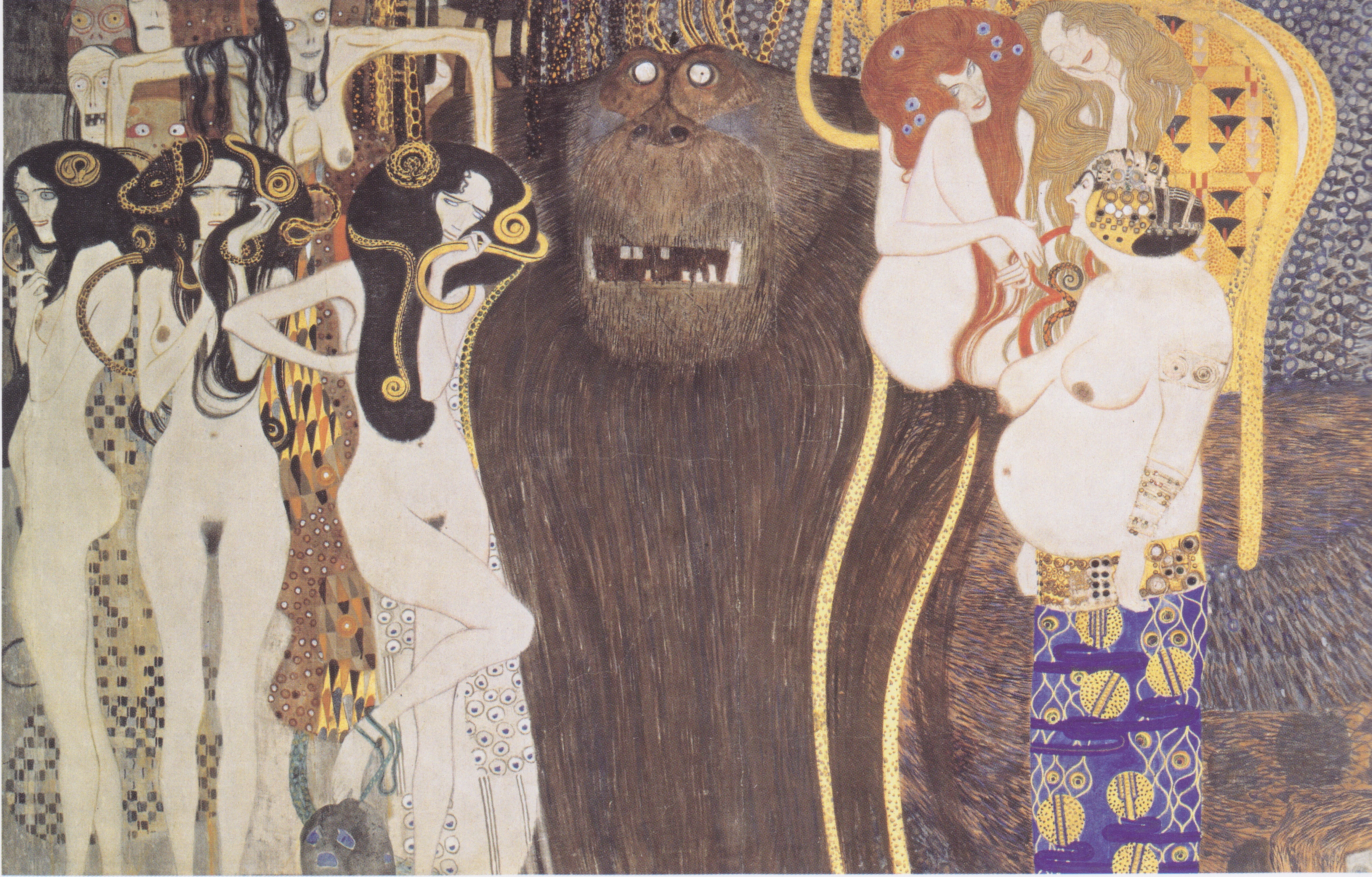
Of the many esoteric cults that inhabit the City of Shuttered Windows, the Whispering Sisterhood is one of the most feared. As the name implies, all full members of the cult are women, though men may join as subservient acolytes. The Sisters worship the goddess known only as She Who Waits, though in the highest echelons of the cult it is said that her true name is sometimes spoken. According to the heretical mythology of the Sisters, the goddess She Who Waits was once the concubine of the great god Alberon, who today is patron of the City. The Sisters claim that after Alberon slew the vile Tiamat (40.06) and brought plenty to the lands of the Long Night, he was consumed by pride and cast aside his faithful consort. Soon he sought to woo another spiritual being, the Green Lady who is said to be the mother of all elves. To ensure the Green Lady’s favour, Alberon caused She Who Waits to be imprisoned beneath the earth, and her image struck from the memories of men.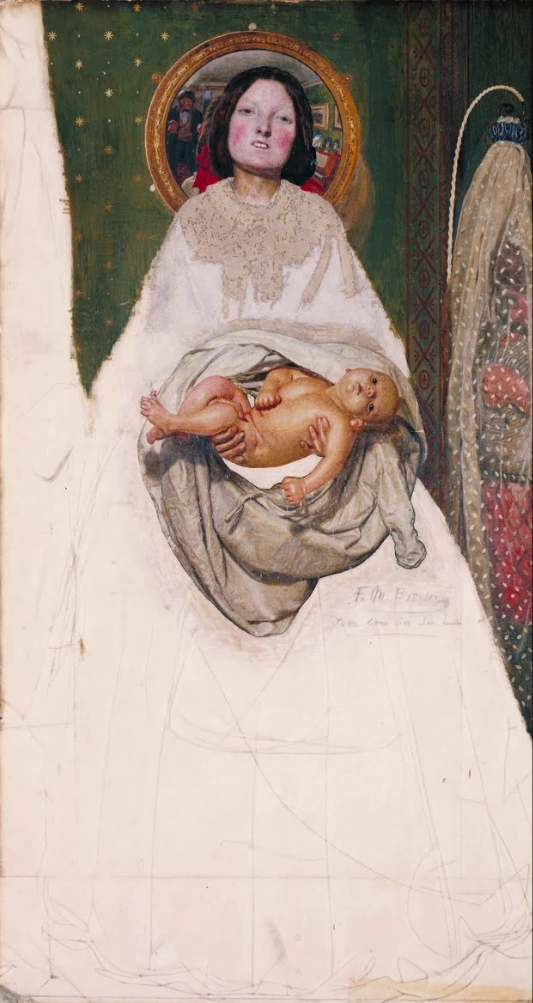
So it is said; but all this is blasphemy to the good people of the City of Shuttered Windows. What is known of the Whispering Sisterhood is that they act in secret, in dark alleyways and behind closed doors in the halls of power. Many of the Sisters take on the cover identity of a whore or madam, and rumor has it that men may be drugged and kidnapped in certain of the city’s shadier brothels. When they awaken they may find themselves in caverns beneath the city, or on lonely hilltops in the countryside nearby - unwilling sacrifices in one of the Sisterhood’s foul rites.
As with many cults, night cattle (see the Lands of the Night Cattle) also play a role in the rituals of the Whispering Sisterhood. Supposedly, they deal exclusively with Drogo the Baldfaced (29.01), since no honest cattle-trader would knowingly sell to them. In the most holy and ecstatic ritual of the Sisterhood, the sacrifices must be a night bull (representing the upper world) and a man and woman newly wed (representing Alberon and the Green Lady). The unfortunate couple is then stuffed inside the night bull’s stomach, and the whole is roasted before being cast into a bottomless pit as an offering to She Who Waits. By breathing of the smoke that floats up from the pit, the hierophants of the Sisterhood are sent into a trance. For seven days and nights they convulse, all the while whispering the words of their black goddess - words of prophecy, words of doom.
Due to the failure of the Sisterhood’s many enemies to root them out, some say that their sacrificial pit is located beneath the lower vaults of the local dwarven Hoard (33.00) and that its only entrance lies within the well-guarded premises of the Hoard. But if that is true, why would the dwarves risk so much to shelter such a cult?
Connections:
- The wives of the Doge are sworn enemies of the Sisterhood (29.14.08).
- The Brotherhood of the Spear, which became the Temple Invisible, fought against the sisters for hundreds of years.
- The Drowning Place (32.22) is a stronghold of the Whispering Sisters.
- The Temple Invisible (25.15) is attempting to hunt down the Whipering Sisters with little success.
- The Sisters abduced Pork Pie Stannev, the former owner of the Sundial Inn and a worshiper of the King in Splendor, some years past (25.04.01).
- The sisters once used dead men’s tongues in their ritual human sacrifices, but no longer.
- Iraine the Suitor plans to become the third wife of Alberon (29.14.40).
- The sisters use the Whispered Caress
Hooks:
- What brothels are actually fronts for the Whispering Sisters? What other places do they control?
- Who in the halls of power answers to the Sisterhood, and why?
- What’s in the caverns beneath the city, and does anyone go down there?
- Where is the bottomless pit where the sacrifice takes place? Is it really under the Hoard’s Vault? Why would the dwarves protect them?
- What prophecies have been handed down by She Who Waits?
- Where are Alberon and the Green Lady now? Are they a tangible presence in the setting, or merely figures of myth?